Table of Content
It has some pretty good features, including 1080p video and advanced object detection. Even Ring’s free plan includes email and app-based notifications. On the other hand, professional installation ensures that everything is in excellent working condition. RapidSOS helps Cove transmit real-time data to its monitoring center.
Set areas for your camera to ignore—only get the alerts you need. Full-length videos begin when motion is detected until it ends. Get a push notification to your phone when motion is detected. Watch live or sound the Canary Pro’s 90 decibel siren or connect with local police right from the Canary app with Premium Service. Everything Canary captures is preserved and presented on your timeline.
abode - Most Affordable
Be sure you’re going for the regular SmartThings equipment if you want to take charge of things yourself. Ring Alarm keeps costs low with affordable starter kits and equipment. Abode makes it easy to integrate smart home devices into your system, and it has a bunch of different third-party integrations, including standard Z-Wave and Zigbee protocols.
Homeowners selecting a system should look for a reliable, reputable company. Many of the best security companies have been in the home security business for decades, long before the idea of self-monitored systems even existed. Reputable companies tend to have better equipment and customer service as well. When any motions are detected, excellent self-monitored security systems with alarms will be triggered and start recording.
Why a Professionally Monitored Security System Is Usually the Best Option
There are a few options for great security systems that don’t require paying any monthly fees, and Ring, Abode, and SimpliSafe are such examples. You can get immediate phone alerts, and you can control the system via your computer or smartphone. You can customize the notifications you get, so you won’t be spammed all the time with information that’s not on a need-to-know basis. The kit comes with the main gateway, a mini door and window sensors, a motion sensor, but also a key chain that doubles as a remote control for the system.
The biggest reason people opt to monitor their own system is to save money. As mentioned, self-monitoring doesn’t cost anything while professional monitoring has a monthly fee. Research shows a self-monitored system could save homeowners between $120-$780 a year, according to HomeAdvisor. The company offers free self-monitoring, which provides motion-activated notifications, real-time video with Live View, and two-way talk.
#2: Unmonitored systems
The Lorex Home Center camera system supports add-on sensors, making it a great candidate for folks wanting a self-monitoring security system with cameras. The sensor selection is pretty sparse—just motion sensors and entry sensors—but it's more than enough to build a functional security system. More so, you do not need to hire anyone to install the system for you.
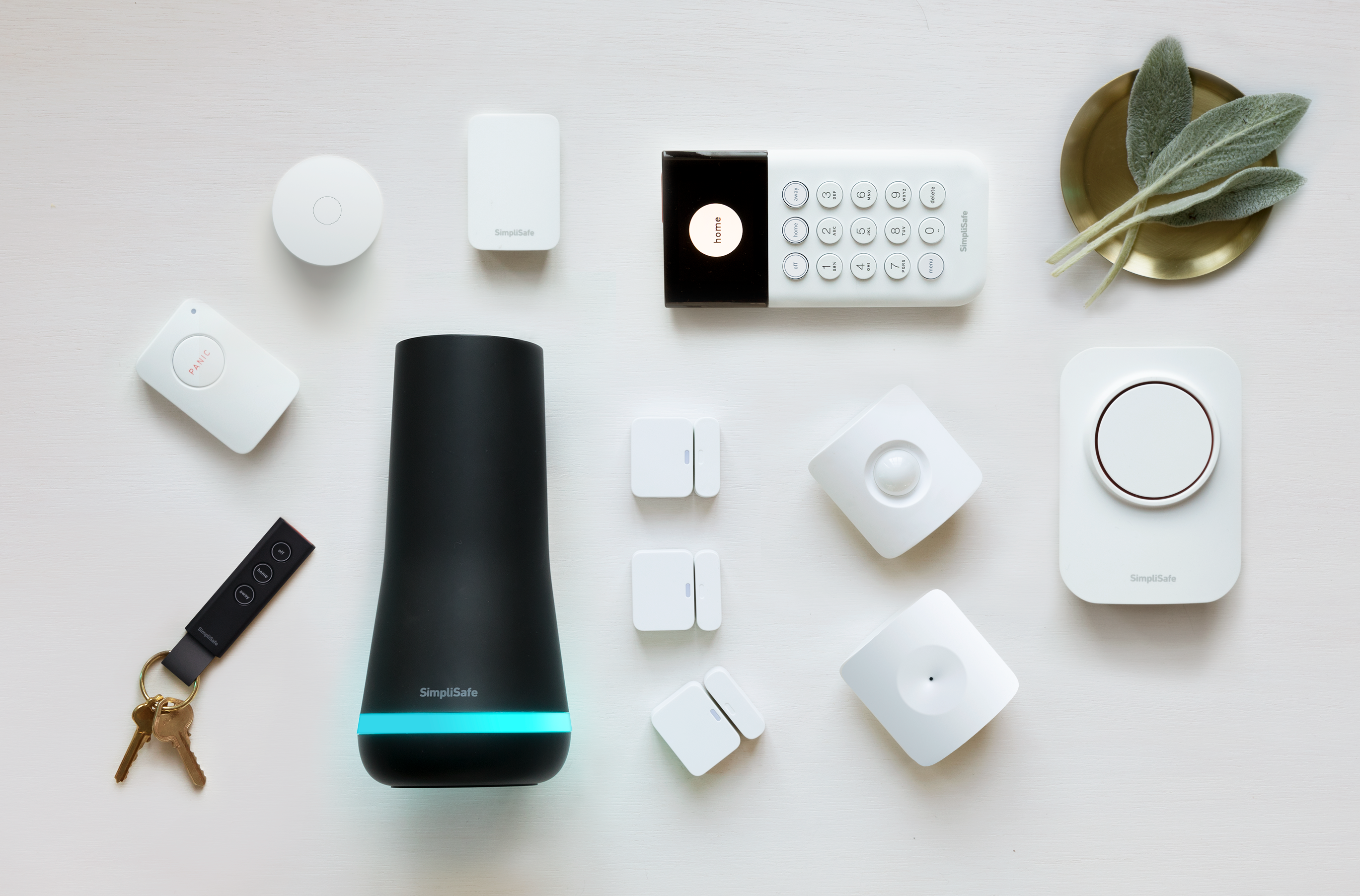
Cellular and broadband connections connect ADT’s monitoring centers. Our rankings have the most expensive options and the most expensive add-on devices. For $504.86, the Haven package includes a smoke detector, temperature sensor, panic button, key fob, water sensor, SimpliCam, and other motion and entry sensors. Although Frontpoint’s monthly prices are more significant than most DIY home security firms, unlike many of them, all of the system’s app functions are available for free.
Video: Learn more about Ring's security system
Since alarm technology is now largely controlled by mobile apps that notify homeowners about disturbances, professional monitoring is no longer a requirement. If you’re looking for a home security system but you don’t want to fork out high monthly fees for professional monitoring, a self-monitored system may be your best bet. Although some companies still charge a subscription for camera footage access and use of the smartphone app, it’s typically only around $10 per month.

Here are the best self-monitored home security systems on the market. The dust-tight, waterproof cameras are equipped with infrared night vision that automatically activates in low-light conditions. The cameras can be installed almost anywhere and capture a 110-degree view angle.
The two-way audio is certainly a nice feature that you don’t find on just any home security system. You need a wireless home security system to receive notifications. With a wireless security system, smart home devices use Wi-Fi, Z-Wave, or Zigbee technology to communicate with each other. This type of system will also use a wireless connection to send alerts to your phone.
Most systems work via the internet, so the app will prompt the homeowner to find the correct network and connect to it. To see all the systems we tested, check our full home security system ratings. And for more on how we test DIY security systems, see our free home security system buying guide.
You get a basic keypad, a base station, and standard sensors, like window sensors. Consider which of the options above among the best self-monitored home security systems of 2022 best suits your needs and budget, and go for it. Vivint is professionally monitored 24 hours a day, seven days a week, every day of the year. If an alert is triggered, the monitoring center will contact you via the Smart Hub’s voice and by getting your phone numbers. A wireless security system is really efficient if you hate having wires around or if you’re worried that intruders might cut off the wires and disable the system.
This provides a very clear image and one you can easily enjoy using. Systems Tested37Test Duration10-12 DaysEquipment Cost$99+Monthly CostFreeNow, let’s take a look at the best brands to choose if you want self-monitored home security. Check out our complete list of the best self-monitored systems below, including our most recent updates on abode’s sale prices.
This Eufy model is also the only floodlight we’ve reviewed that allows for color-temperature adjustments, from 3,000 to 5,700 Kelvin, so you can choose between cool and warm whites. The camera can pan and tilt 360 degrees horizontally and 130 degrees vertically, capturing stellar 2K images day and night—both with and without color night vision. Customers can pay for equipment and monitoring every month with no money down, or they can pay for the equipment upfront and pay monthly fees for monitoring. That being said, you also need to consider the costs of a home security system.


No comments:
Post a Comment